

Vĩnh Tường đăng vào lúc 08/11/2026 - 16:03
What Should You Do About Moldy Walls? 7 Simple and Most Effective Solutions
Moldy walls can make a living space look unsightly and are a concern for many families because living in such an environment may affect health. So, what causes walls to become damp and moldy? How should moldy walls be treated? Let’s explore the answers with Vinh Tuong.
Causes of Damp and Moldy Walls
Damp and moldy walls can result from various direct and indirect causes. Below are some common reasons why mold develops on walls:
- The house is located in an area affected by the humid weather of Northern Vietnam, characterized by persistently high humidity and exposure to rain, wind, and flooding.
- Leaks in the home’s plumbing system cause moisture to penetrate the walls.
- The house was not constructed to proper standards, or the mortar was mixed at an incorrect ratio.
- The walls were not coated with waterproof paint, or low-quality paint was used.
- The house has been in use for many years, resulting in reduced waterproofing performance.
- Water leaks from air conditioners or cracked and leaking water pipes cause the walls to become damp.
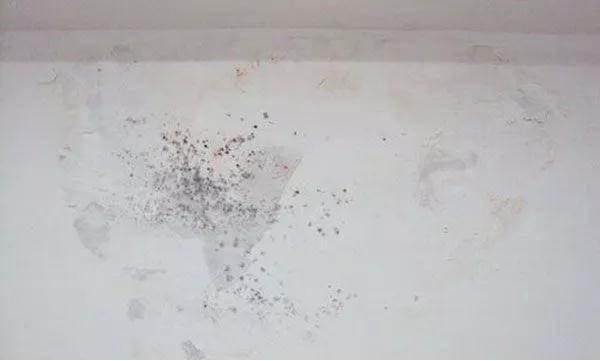
Various direct and indirect factors can cause walls to become damp and moldy (Source: Internet)
Harmful Effects of Damp and Moldy Walls
During the rainy, stormy, or humid season, indoor air is often damp, causing moisture to accumulate on many walls and ceilings, especially in spaces such as bathrooms, bedrooms, and kitchens. When walls and ceilings develop black mold, the following problems may occur:
- Damp and moldy walls create a humid environment and unpleasant odors, which may adversely affect respiratory health.
- Prolonged moisture can deteriorate walls and cause mortar and masonry to peel or deteriorate.
- Black mold and yellow stains can appear, affecting the aesthetics of the home.
- Considerable costs may be incurred for ceiling repairs and wall repairs, including waterproofing, mold treatment, and repainting.
- Moldy areas on walls and ceilings may flake off, creating dust and making household furnishings more prone to dirt.
Solutions to Prevent Damp and Moldy Walls
Instead of spending time and money treating walls after mold has already developed, it is better to prevent the problem from the outset. Moisture is the primary factor contributing to mold growth, so controlling indoor humidity is essential to preventing mold from developing on walls and ceilings.
One of the quickest and most effective solutions is to use Vinh Tuong-Gyproc Super Moisture-Resistant Gypsum Board, which is manufactured using an advanced European formulation. The product features two protective layers, including specialized facing paper that provides maximum moisture resistance and a gypsum core containing additives for superior moisture resistance and effective protection against humid weather.
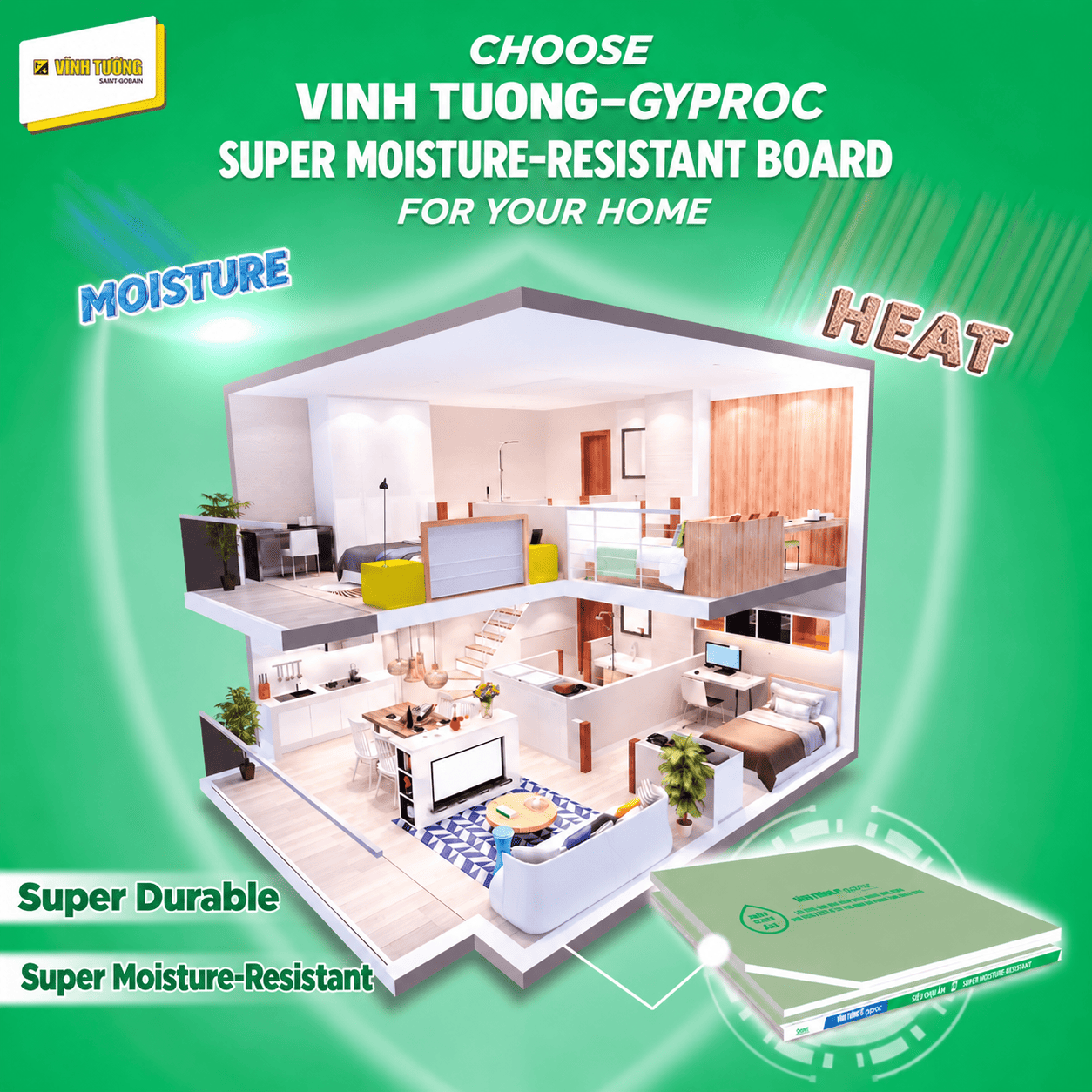
Vinh Tuong-Gyproc Super Moisture-Resistant Gypsum Board offers enhanced durability and moisture resistance, making it suitable for ceilings and partition walls throughout the home.
Gypsum walls are an ideal choice for high-humidity environments, helping protect interior spaces against the effects of moisture. The solution can be applied to tube houses, mezzanine houses, container houses, single-storey houses, and more, providing optimal moisture protection for the home.
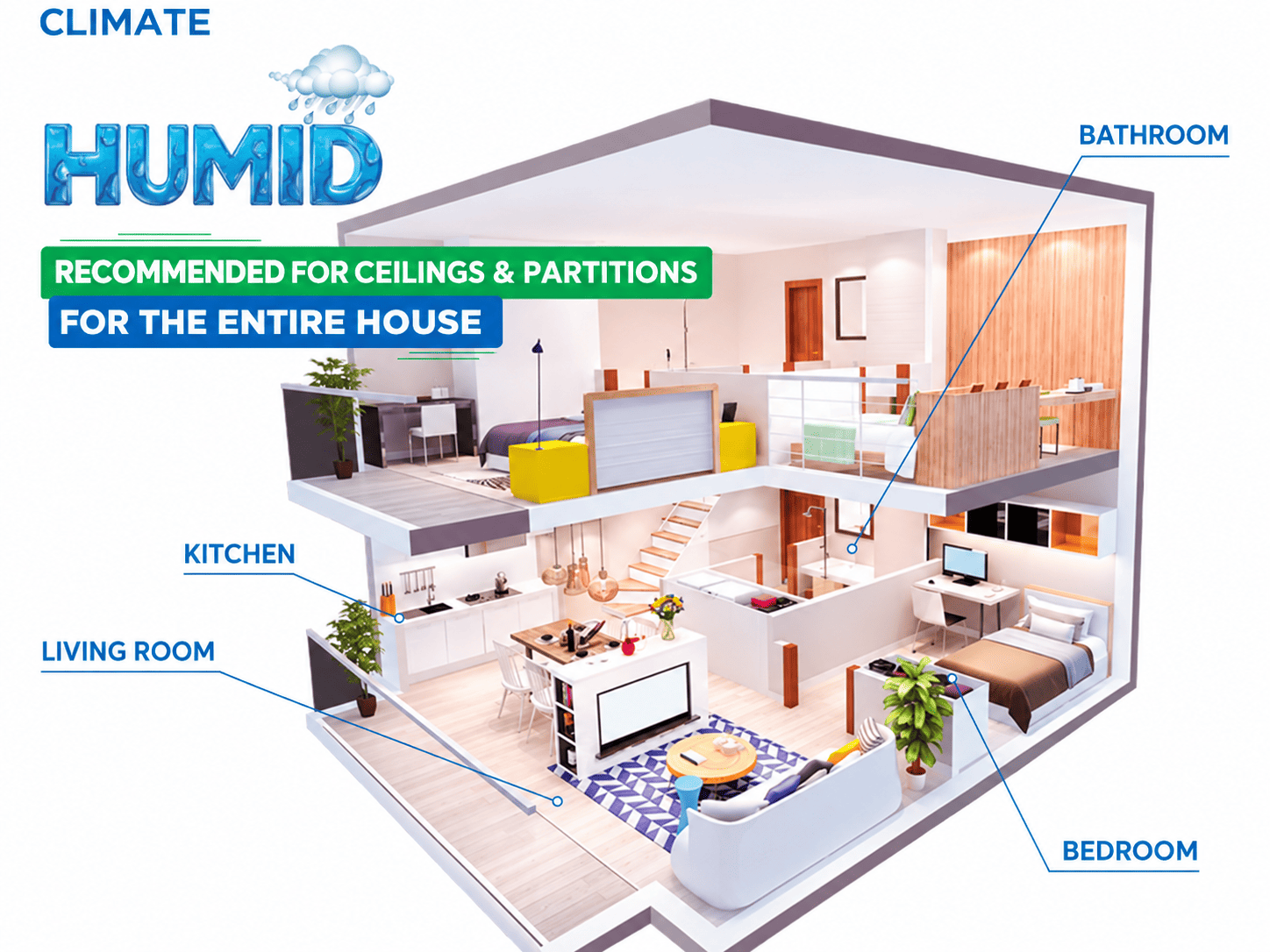
Vinh Tuong Super Moisture-Resistant Gypsum Board is suitable for ceilings and partition walls throughout the home, including moisture-prone areas such as kitchens and bathrooms.
For any questions regarding product information or the cost of installing super moisture-resistant gypsum ceilings and walls, please contact Vinh Tuong via:
- Hotline: 1800-1218
- Email: chamsockhachhang@vinhtuong.com
In addition, to prevent damp and moldy walls, you should regularly inspect areas where water leaks may occur, including pipes, pumps, water purifiers, and other systems. Areas frequently exposed to moisture, such as walls behind cabinets, should also be checked weekly. If signs of dampness or mold are detected, preventive measures should be taken promptly to protect health and keep the living space clean and attractive.
How to Treat Damp, Moldy, and Peeling Walls
To effectively treat damp and moldy walls, you should first assess the severity of the mold problem in your home. For walls with mild mold growth, common mold-removal solutions can be used for quick and thorough treatment. Specifically, consider the following solutions:
1. Use Javel Bleach to Treat Moldy Walls
Treating moldy walls with Javel bleach cannot completely eliminate mold at its source. However, it can provide a quick temporary solution. Javel bleach is commonly used for whitening clothes but also has strong disinfecting properties. Therefore, using Javel bleach to remove mold can help create a cleaner and brighter surface on walls and gypsum ceilings.
Follow these steps:
- Mix 0.5 ml of Javel bleach with 1 liter of water, which is sufficient to treat approximately 10 m² of wall surface.
- Brush away the mold, then dip a roller into the solution and apply it to the wall.
- Finally, open the windows and turn on a fan to help the wall dry faster and disperse the chemical odor.
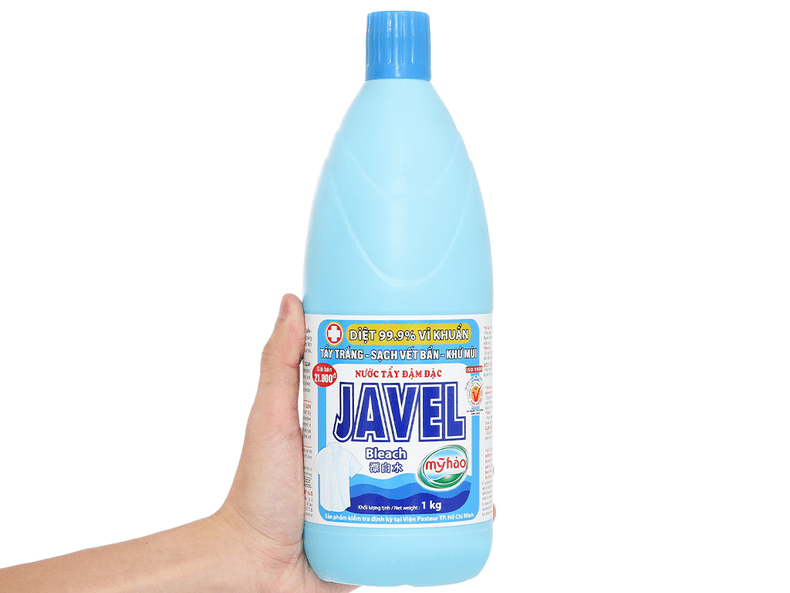
Using Javel bleach to effectively treat mold on walls (Source: Internet)
2. Use Mold Removers
There are currently many mold-removal products available for gypsum ceilings, walls, gypsum surfaces, and other applications. These solutions have strong disinfecting properties and are designed to eliminate mold spores. They can remove mold, moss, and algae quickly and effectively.
When using these products, always follow the manufacturer’s instructions. Do not allow the chemicals to come into direct contact with the skin, eyes, or food to avoid potential health risks.
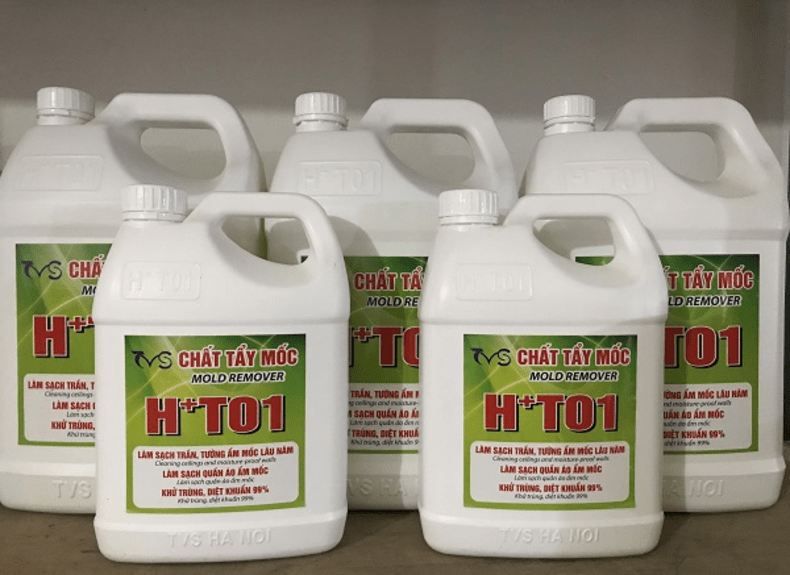
Quickly treating moldy walls with mold-removal products (Source: Internet)
Note: The information above is for reference only. Vinh Tuong does not sell mold-removal products.
3. Use Anti-Mold Paint
Using anti-mold paint is a popular solution for damp, moldy, and peeling walls. Many well-known paint brands currently offer genuine, high-quality waterproof and anti-mold paints to meet different customer needs. To repaint a moldy wall correctly, follow these steps:
- Step 1: Scrape off peeling paint and loose mortar from the walls and ceilings.
- Step 2: Clean the surface thoroughly and use a cleaning solution to remove mold.
- Step 3: Fill holes and cracks with mortar.
- Step 4: Apply putty and primer to the surface.
- Step 5: Apply waterproof paint to the entire wall and ceiling surface.
- Step 6: Apply an additional 1–2 coats of anti-mold paint.
When selecting paint, make sure you choose the appropriate exterior waterproof paint or interior waterproof paint to achieve optimal results.
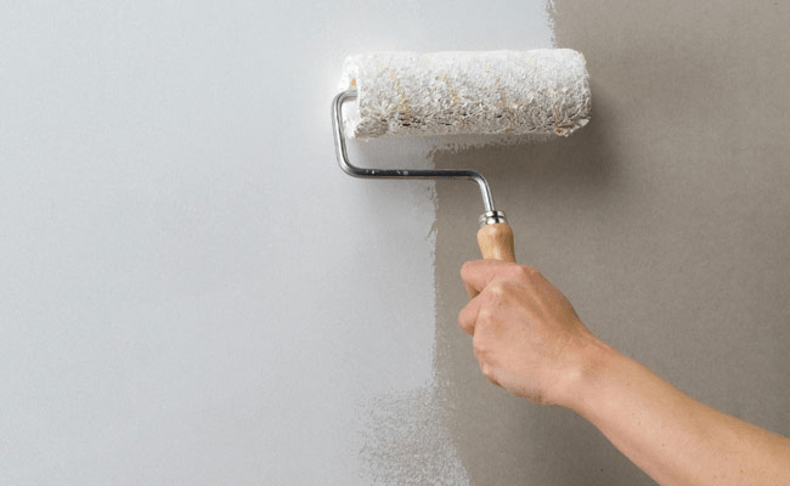
Using waterproof paint helps prevent walls from becoming damp and reduces future mold growth (Source: Internet)
Note: The information above is for reference only. Vinh Tuong does not sell anti-mold paint.
4. Use Moisture-Resistant Wallpaper
Using wallpaper is an effective way to address damp, moldy, and peeling walls while saving more time than repainting the entire wall surface.
However, in some cases, this method may not provide the desired results, such as:
- Areas frequently exposed to water and high humidity, such as bathrooms and toilets.
- Old walls with severe water seepage, dampness, and mold.
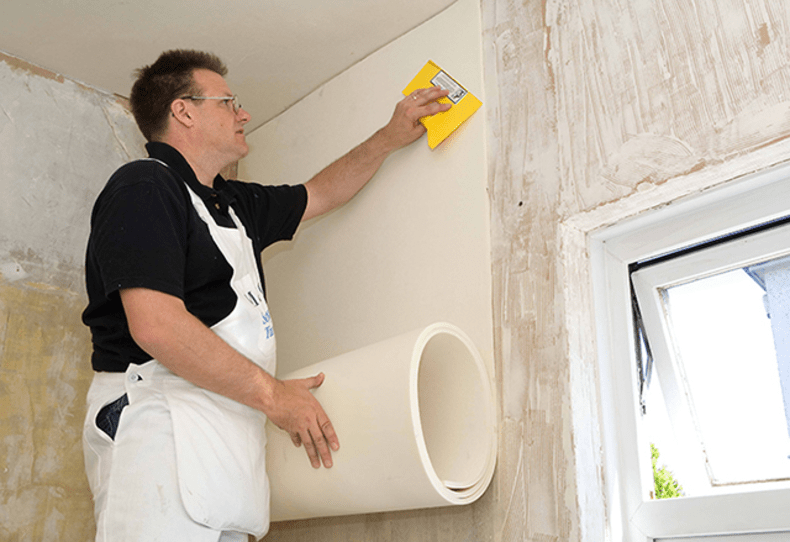
Using wallpaper is one effective way to treat damp and moldy walls (Source: Internet)
Note: The information above is for reference only. Vinh Tuong does not sell moisture-resistant wallpaper.
5. Use Kitchen Ash to Treat Moldy Walls
Using kitchen ash is a low-cost solution for treating moldy walls while still providing effective results. Simply mix charcoal ash with a small amount of water, then use a brush to scrub areas affected by yellow stains or mold. Leave the mixture on the surface for 5 minutes, then scrub it again with greater pressure. Stubborn mold and yellow stains can then be removed.
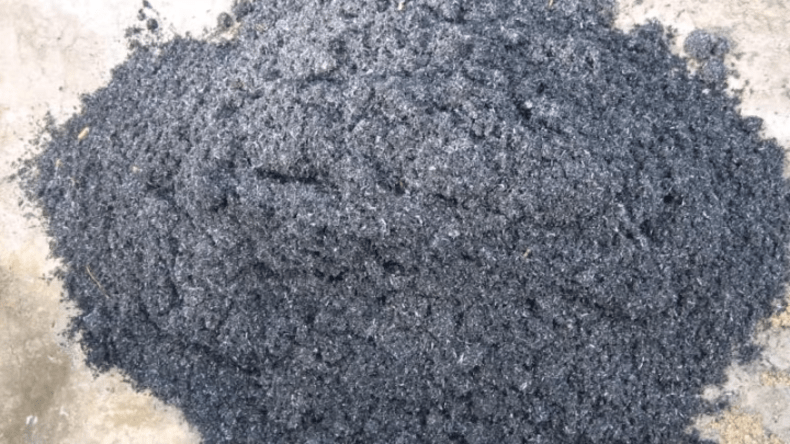
Using kitchen ash to treat damp and moldy stains on walls (Source: Internet)
To thoroughly address severe mold growth on walls, you first need to identify the underlying cause. If moisture is penetrating the wall, waterproofing and moisture-proofing measures are necessary to prevent further mold growth.
6. Use Water Seal DPC Solution to Prevent Dampness and Mold
Moisture penetration at the base of a wall can cause mold, moss, and algae, which may gradually spread across the entire wall. Waterproofing the base of walls with Water Seal DPC is a highly effective and commonly used method. The applied waterproofing layer offers high durability, with a service life of 30–40 years.
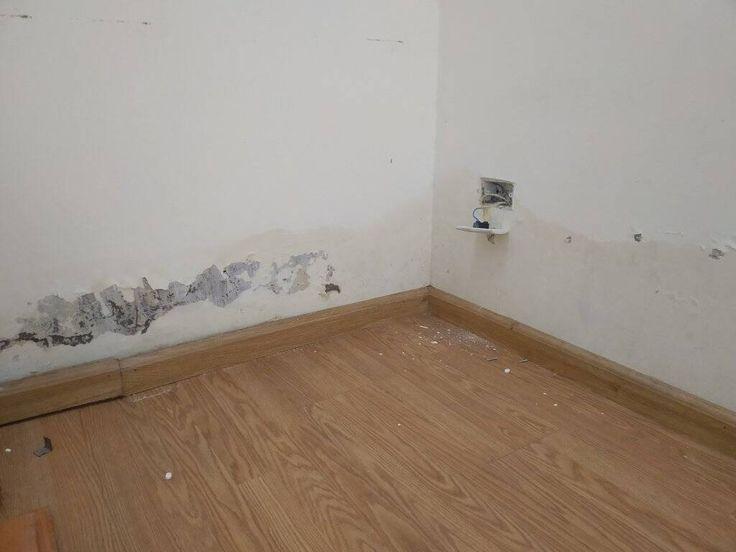
Waterproofing the base of walls is an important measure when treating long-term damp and mold problems (Source: Internet)
Note: The information above is for reference only. Vinh Tuong does not sell Water Seal DPC solutions.
7. Re-Plaster Severely Damp, Cracked, and Peeling Walls
A thorough solution for preventing mold is to reconstruct the wall surface by removing the old plaster and applying a new layer ofmortar.
- Step 1: Completely remove the old plaster using a chisel or drill, then dampen the wall with clean water.
- Step 2: Re-plaster the wall with new mortar at a ratio of 1:3–1:4, paying particular attention to the base of the wall and roof junctions.
- Step 3: Allow the wall to dry properly, then apply a waterproof coating followed by the finishing paint.
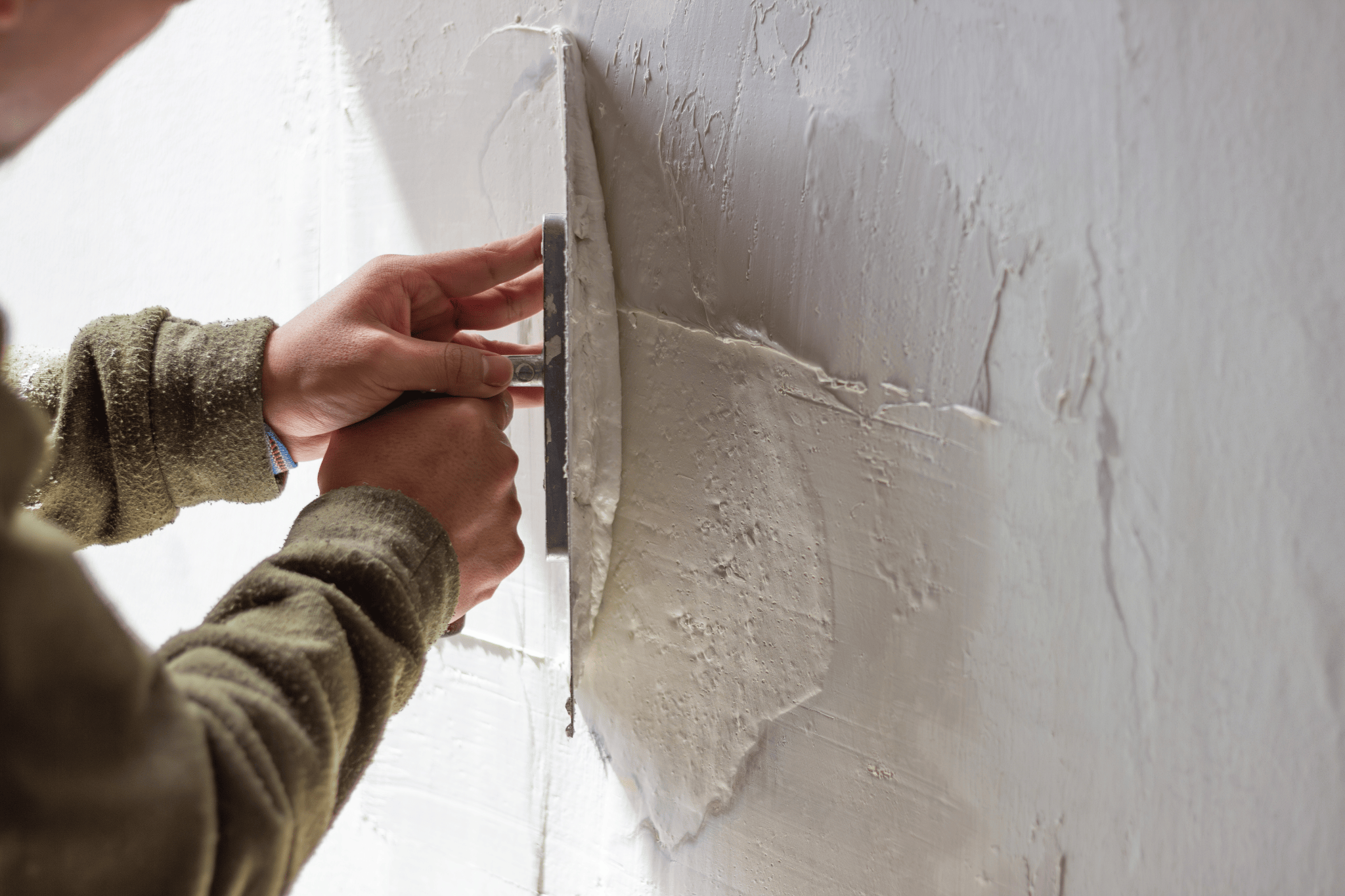
Applying a waterproof coating and finishing paint after re-plastering the wall with new mortar (Source: Internet)
Is Wall Mold Toxic?
Fungi found in wall mold can produce mycotoxins, which are toxic chemical substances capable of causing illness and, in severe cases, death. Many people assume that mold is only harmful when accidentally ingested and digested, and therefore believe that mold growing on walls is not toxic.
However, a research team from the National Veterinary School of Toulouse in France conducted tests and concluded that mycotoxins associated with mold spores can become airborne in molecular form. Exposure through inhalation may contribute to symptoms such as headaches and dizziness.
In addition, mold can cause a number of serious health problems, including asthma, respiratory infections, and hypersensitivity pneumonitis.
Effective Ways to Prevent Mold on Walls
Above are seven ways to treat damp and moldy walls, providing practical answers to the question, “What should you do about moldy walls?” Hopefully, these suggestions will help you identify a suitable solution to keep your home drier and cleaner. In addition, you should consider the following measures to prevent mold from developing on walls:
- The most important measure for preventing mold is to keep the indoor air dry. Mold can develop easily when humidity is too high, so controlling indoor humidity is one of the simplest and most effective ways to protect walls.
- When you discover water seepage, leakage, or dampness, address it immediately. Areas such as walls behind cabinets, walls near bathrooms, and cooking areas should be inspected regularly and kept clean to prevent mold growth and potential health impacts.
- If possible, proper waterproofing should be carried out from the beginning of the construction process. This is a long-term solution that helps reduce moisture and mold problems during subsequent use of the building.
The information above covers the causes, harmful effects, and effective methods for treating damp and moldy walls. Mold should be removed promptly to minimize potential negative effects on health. Vinh Tuong hopes that the information provided will help keep your living space clean, well-ventilated, and free from damp and moldy walls.
If you need installation or repair services for Vinh Tuong gypsum ceilings or gypsum walls, please contact us via:
- Head Office: 8th Floor, SOFIC Tower, 10 Mai Chi Tho Street, Ho Chi Minh City, Vietnam.
- Hotline: 1800-1218
- Customer Service Email: chamsockhachhang@vinhtuong.com