

Vĩnh Tường đăng vào lúc 08/11/2026 - 16:20
Sound-Insulating Partitions - 7 Best and Most Popular Noise-Reducing Partition Types in 2026
Sound-insulating partitions help prevent sound from traveling from one space to another, ensuring a quiet environment. To effectively improve sound insulation between rooms in residential buildings, partition systems made from gypsum are currently a solution recommended by many contractors and installers to homeowners. Join Vinh Tuong to learn about the structural characteristics, advantages, pricing, and installation instructions for sound-insulating gypsum partitions in the following article.
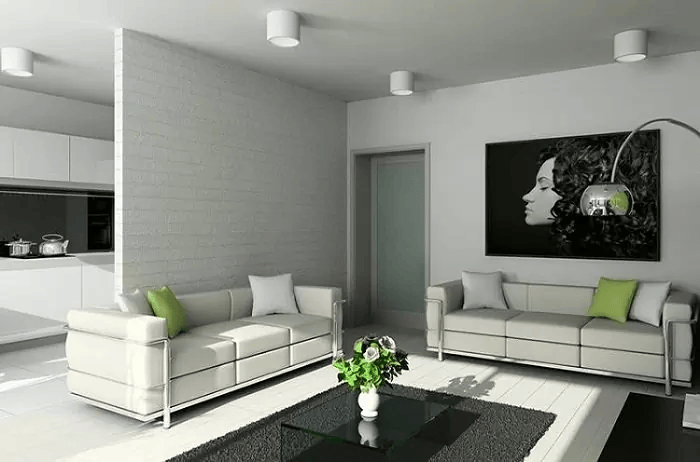
Gypsum partitions provide sound insulation for residential spaces (Source: Internet)
What Is a Sound-Insulating Partition?
A sound-insulating partition is a barrier that separates different spaces, helping reduce sound transmission while ensuring quietness and privacy in living or working environments. Partitions are commonly made from various construction materials, such as gypsum boards, ceiling boards, glass, premium wood, and others, helping improve the acoustic quality of your space.
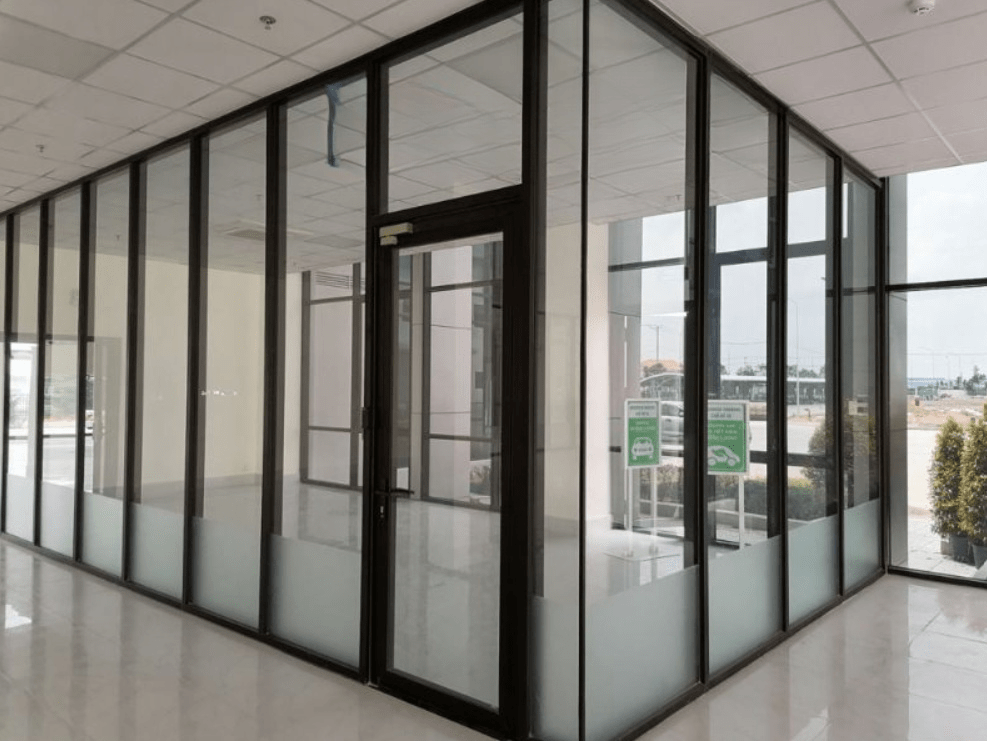
Modern and simple sound-insulating partition design (Source: Internet)
Each sound- and heat-insulating material has its own advantages and disadvantages. Therefore, users can choose a noise-reducing partition that suits their needs, conditions, and preferences.
Benefits of Using Sound-Insulating Partitions
Sound-insulating partitions have long been known for their notable benefits and have become an integral part of decorating many living and working spaces. Some of the key benefits include:
Effective Noise Reduction
Sound-insulating partitions help reduce noise from outside and between rooms, contributing to a quieter environment for homeowners. This is particularly important for homes located in densely populated urban areas or near noise sources and industrial zones. In addition, many sound-insulating partitions also serve the dual function of effective sound-absorbing partitions, providing homeowners with greater convenience and a more comfortable living environment.
Creating a Comfortable and Private Space
By limiting sound transmission, sound-insulating partitions create a quiet environment that helps improve concentration and ensure personal privacy. This is particularly important in offices, meeting rooms, or homes with limited floor area and few rooms.
Easy Installation and Maintenance
Sound-insulating partitions are generally simple and quick to install, while their lightweight and flexible design makes them easier to handle and move. When maintenance is required, users can easily inspect and repair the partition thanks to the replaceable material layers. The partition surfaces are also made from easy-to-clean materials, helping maintain a clean and fresh appearance in the home.
Common Types of Sound-Insulating Partitions on the Market Today
Sound-insulating partitions currently available on the market can generally be divided into two basic types: fixed partitions and movable sound-insulating partitions. Each type offers its own advantages, as follows:
Fixed Sound-Insulating Partitions
Fixed sound-insulating partitions are securely installed with screws and feature a simple structure consisting of a frame and partition boards. Their notable advantages include affordable pricing and a wide range of designs and colors at reasonable costs, making them suitable for different budgets and spacious areas.
Despite these advantages, changing the room layout requires the entire installed partition to be dismantled before subsequent work can proceed.
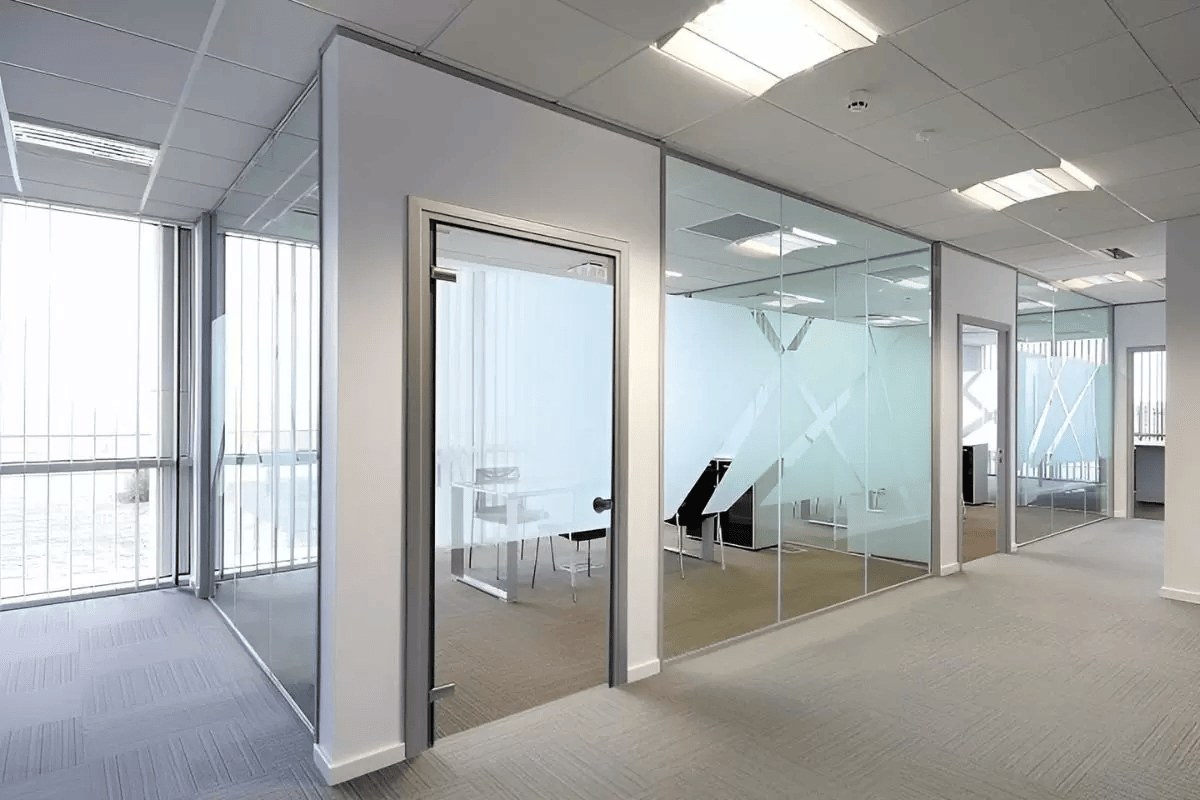
Modern fixed glass sound-insulating partition design (Source: Internet)
Movable Sound-Insulating Partitions
Movable sound-insulating partitions have a structure and function similar to fixed sound-insulating partitions but are distinguished by their track and bearing mechanisms. Therefore, they are commonly used as office partitions and toilet partitions. Due to their flexibility, these products are generally more expensive than conventional noise-reducing partitions. They also require professional installation techniques, increasing the complexity of the installation process.
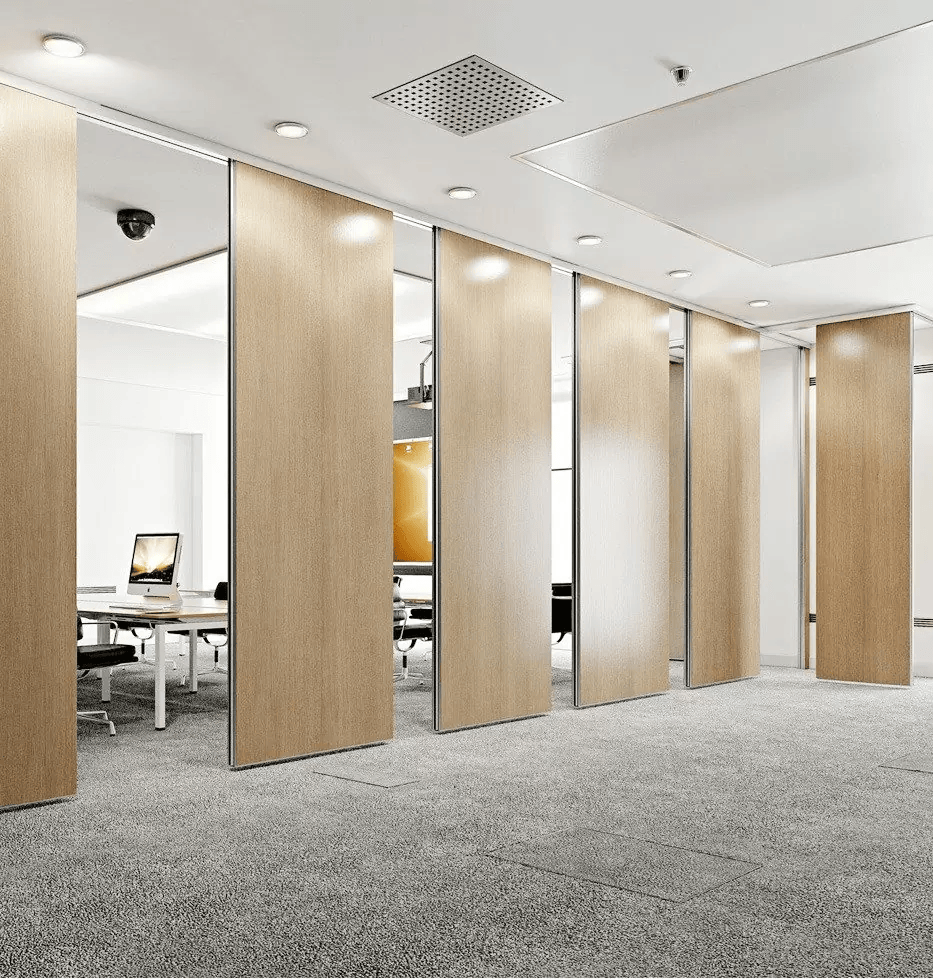
Modern movable wooden sound-insulating partition design (Source: Internet)
7 Most Popular Materials Used for Sound-Insulating Partitions Today
Gypsum
Gypsum partitions consist of a gypsum partition framing system and gypsum materials that separate different spaces, providing an alternative to conventional concrete walls.
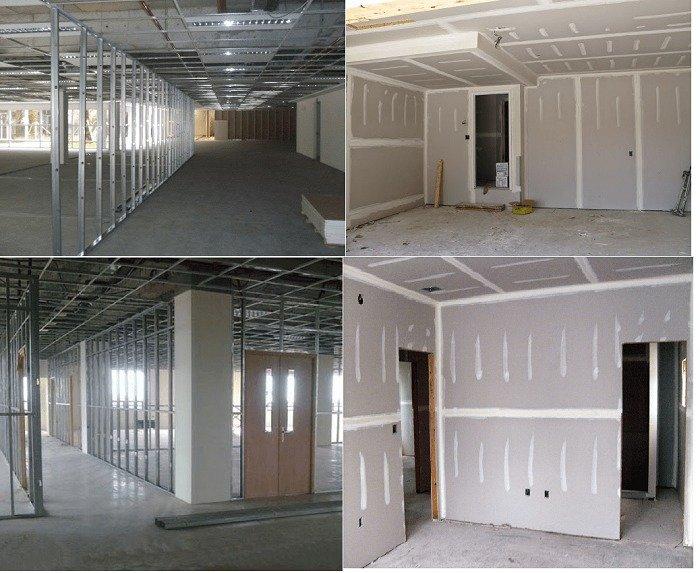
Popular gypsum sound-insulating partition design (Source: Internet)
In general, a sound-insulating partition system consists of two main components: the partition frame and gypsum boards. Different sound-insulating partition systems may vary in their specific construction. With a weight of approximately 20 kg/m², gypsum sound-insulating partitions can be installed up to three times faster than cement walls. This helps homeowners save both time and costs during construction.
Cement Board
Cement boards feature an exceptionally rigid structure with good noise-reduction and effective fire-resistance performance. They are commonly used for outdoor projects, wet environments, or convenient building types such as container houses, prefabricated houses, and pre-engineered buildings. The product effectively meets household requirements for sound-insulating partitions with several notable advantages:
- Excellent moisture resistance, suitable for areas exposed to outdoor weather conditions.
- High fire resistance.
- Safe for users' health, tested and certified in accordance with ASTM C1186 (USA), with certification confirming that the product is 100% asbestos-free.
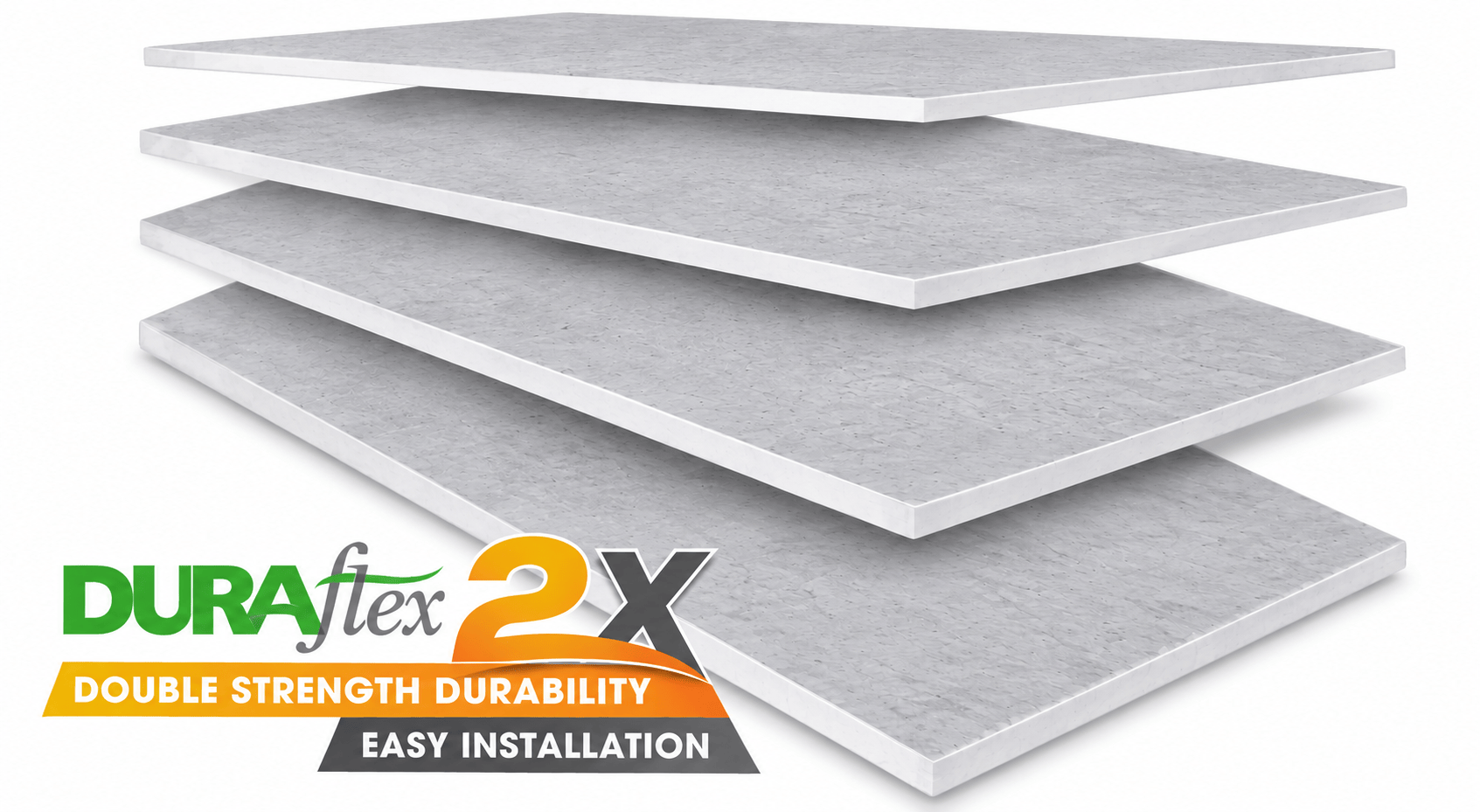
Vinh Tuong DURAflex 2X Fiber Cement Board >12 mm
Lightweight Concrete Board
Lightweight concrete boards are made from materials such as cement and sand and weigh only about half as much as other materials, making it easier to transport, install, and repair. However, because of its light weight, its sound-insulating performance is limited, while its durability and water resistance are lower than those of materials such as gypsum, cement board, and wood.
Note: The information above is for reference only. Vinh Tuong does not sell lightweight concrete boards.
Takani Board
Takani board is a type of sound-insulating material made from fiberglass or cellulose fibers and is commonly used for sound-insulation and sound-absorption applications. Takani boards are relatively expensive but cannot withstand excessive impact due to their light weight. Compared with materials such as gypsum boards and cement boards, Takani boards are less durable. Therefore, homeowners should carefully consider their requirements before selecting this material for sound-insulating partitions.
Note: The information above is for reference only. Vinh Tuong does not sell Takani boards.
XPS Foam
XPS (Extruded Polystyrene) foam is a lightweight material with good sound-insulating properties and is widely used on the market today. However, because it is a foam material, it is lightweight, combustible, and has limited heat-insulating performance. Its load-bearing capacity and durability are also relatively low, so homeowners should carefully consider these factors before choosing this material.
Note: The information above is for reference only. Vinh Tuong does not sell XPS foam.
Sound-Absorbing Wooden Partitions
Wooden partitions not only provide sound insulation but also bring a traditional aesthetic to the space. Sound-absorbing wood helps absorb sound, creating a quiet and warm environment. However, wood has a shorter service life than materials such as gypsum and cement. After only a few years of use, wooden partitions may become susceptible to termites and discoloration, affecting the aesthetics of the home. However, because they are made of wood, sound-absorbing wooden partitions are only suitable for traditional designs and are not well suited to minimalist or modern styles. They also lack fire resistance, have poor heat resistance, and may expand or warp when exposed to high temperatures.
Note: The information above is for reference only. Vinh Tuong does not sell sound-absorbing wooden partitions.
Aluminum Panels
Aluminum panels are lightweight and durable and are made from high-grade aluminum alloys. Their cost is therefore generally higher than that of other materials, while their designs and styles remain relatively limited. At the same time, due to their light weight, aluminum panels provide considerably poorer sound-insulating and noise-reducing performance than materials such as gypsum and cement. Furthermore, aluminum conducts electricity, so a high level of safety is required during installation to prevent electrical leakage within the partition system. Homeowners should carefully consider these factors when selecting materials for sound-insulating partitions in their homes.
Note: The information above is for reference only. Vinh Tuong does not sell aluminum panels.
Where Are Sound-Insulating Partitions Used in Buildings?
In general, sound-insulating partitions can be used in buildings of all sizes, including:
- Residential buildings, such as worship room partitions and air-conditioned room partitions.
- Noise-intensive public buildings such as hospitals and schools.
- Rooms requiring specialized sound insulation, such as libraries, karaoke rooms, and recording studios.
- Workplaces with large concentrations of people, such as offices and shopping malls.
- Facilities that generate high levels of noise, such as workshops and factories.
Structure of a Sound-Insulating Partition System
In general, a sound-insulating partition system consists of two main components: the partition frame and gypsum boards. Different sound-insulating partition systems may vary in their specific construction.
Vinh Tuong GypWall DW1 Gypsum Wall Sound-Insulating Partition System
This partition system combines Vinh Tuong-gyproc Standard Gypsum Board with the Vinh Tuong V-Wall® Partition Frame or Vinh Tuong E-Wall® Partition Frame, creating a highly durable and sturdy partition system that remains stable over time.
In addition, the GypWall DW1 gypsum wall system is widely used in condominiums, apartments, houses, and other residential applications, providing sound insulation of up to 42 dB and fire resistance of more than 30 minutes to create a quiet and comfortable living environment.
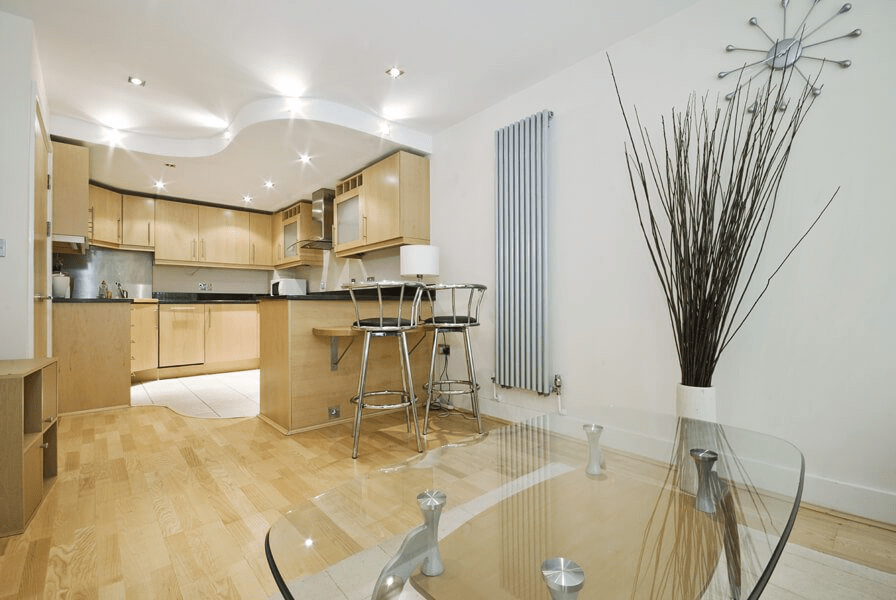
GypWall DW1 gypsum walls provide good sound insulation and fire resistance (Source: Internet)
Vinh Tuong GypWall DW4 Gypsum Wall Sound-Insulating Partition System
This system provides sound insulation of up to 50 dB and fire resistance of more than 60 minutes and consists of:
- Two 12.5 mm-thick VĨNH TƯỜNG-gyproc Standard Gypsum Boards.
- 50 mm glass wool with a density of 24 kg/m³.
- Vinh Tuong V-Wall® Partition Frame.
- Other supporting materials such as VT paper tape, Hilti CP606 sealant, and Gyp-Filler jointing compound.
For a clearer understanding of the structure of the Vinh Tuong GypWall DW4 sound-insulating gypsum wall system, please refer to the image below:
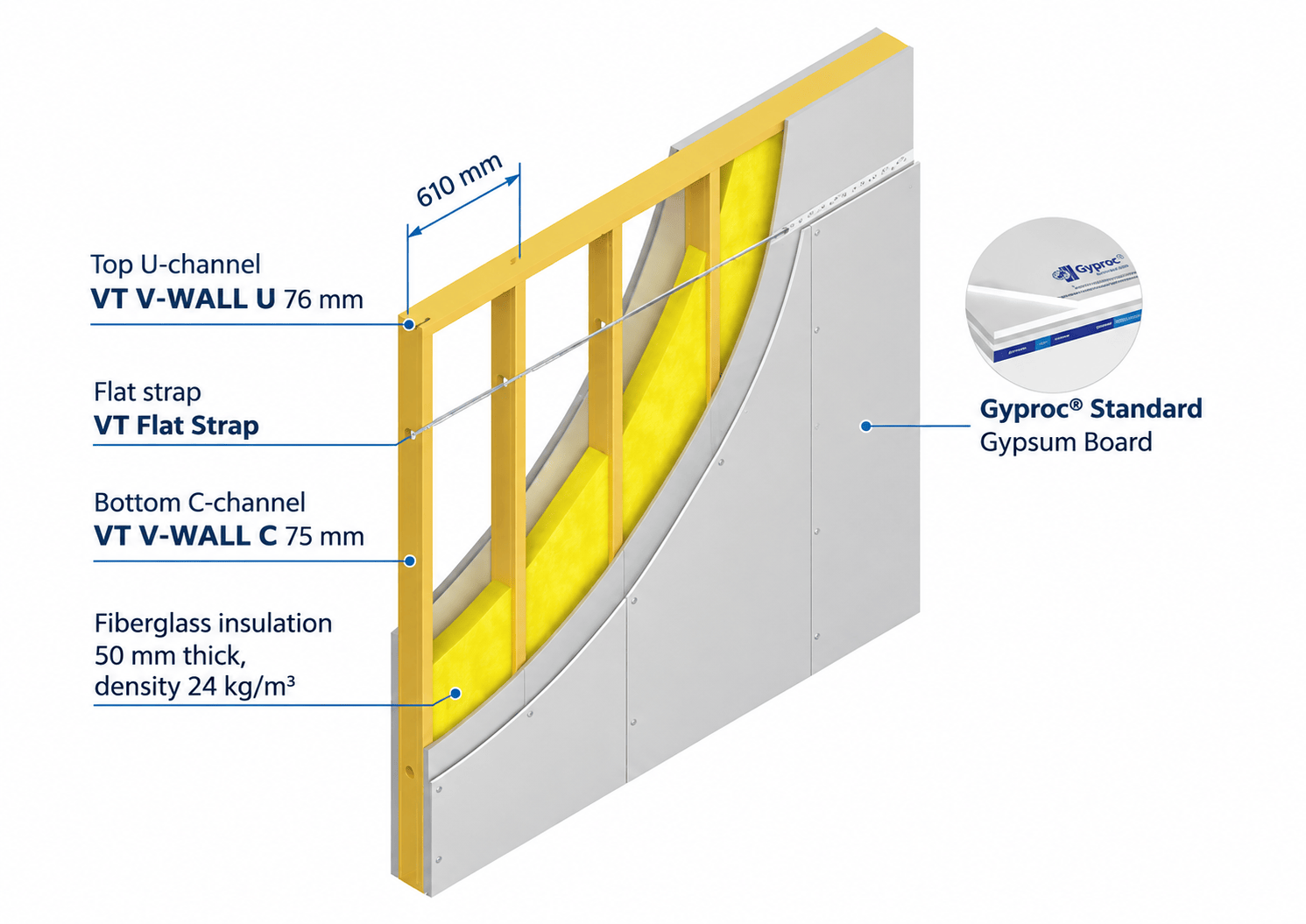
Structure of the Vinh Tuong GypWall DW4 sound-insulating gypsum wall system
Trending Sound-Insulating Partition Designs in 2026
The sound-insulating partition market is constantly evolving. Therefore, sound-insulating partition designs and colors must also continue to evolve to keep pace with current styles and trends.
Modern and Simple Noise-Reducing Sound-Insulating Partitions
Modern and simple noise-reducing sound-insulating partitions are available in diverse materials and distinctive colors, allowing them to blend easily with different interior styles while enhancing the aesthetics of the home. For example, they can be used in modern single-storey houses, one-ground-floor-and-one-upper-floor houses, or three-storey tube houses.
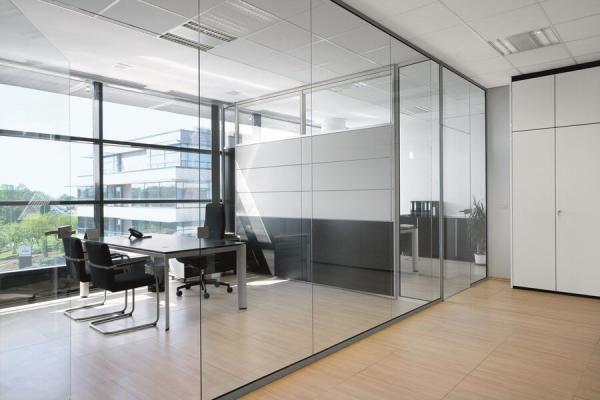
Simple and modern glass noise-reducing sound-insulating partition (Source: Internet)
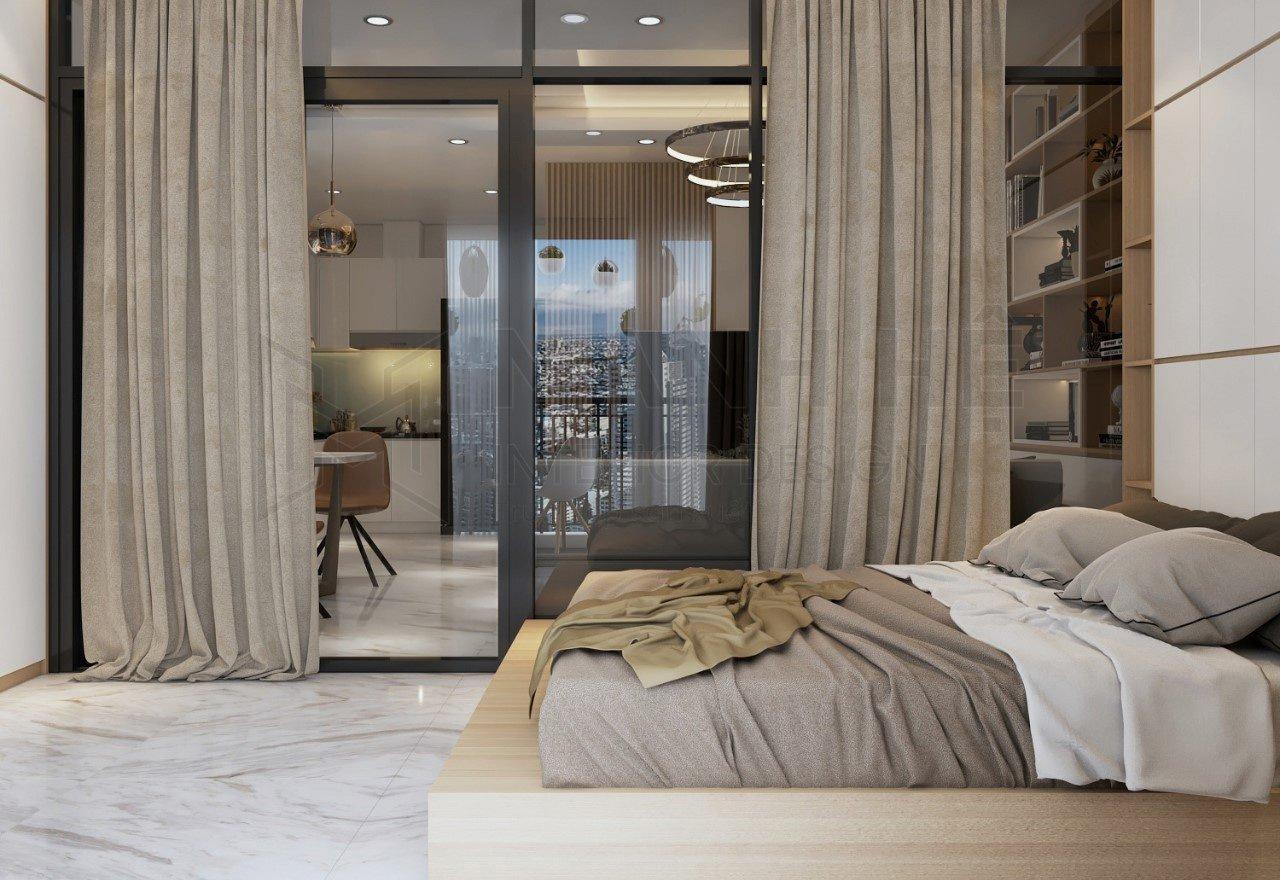
Modern and simple glass sound-insulating bedroom partition (Source: Internet)
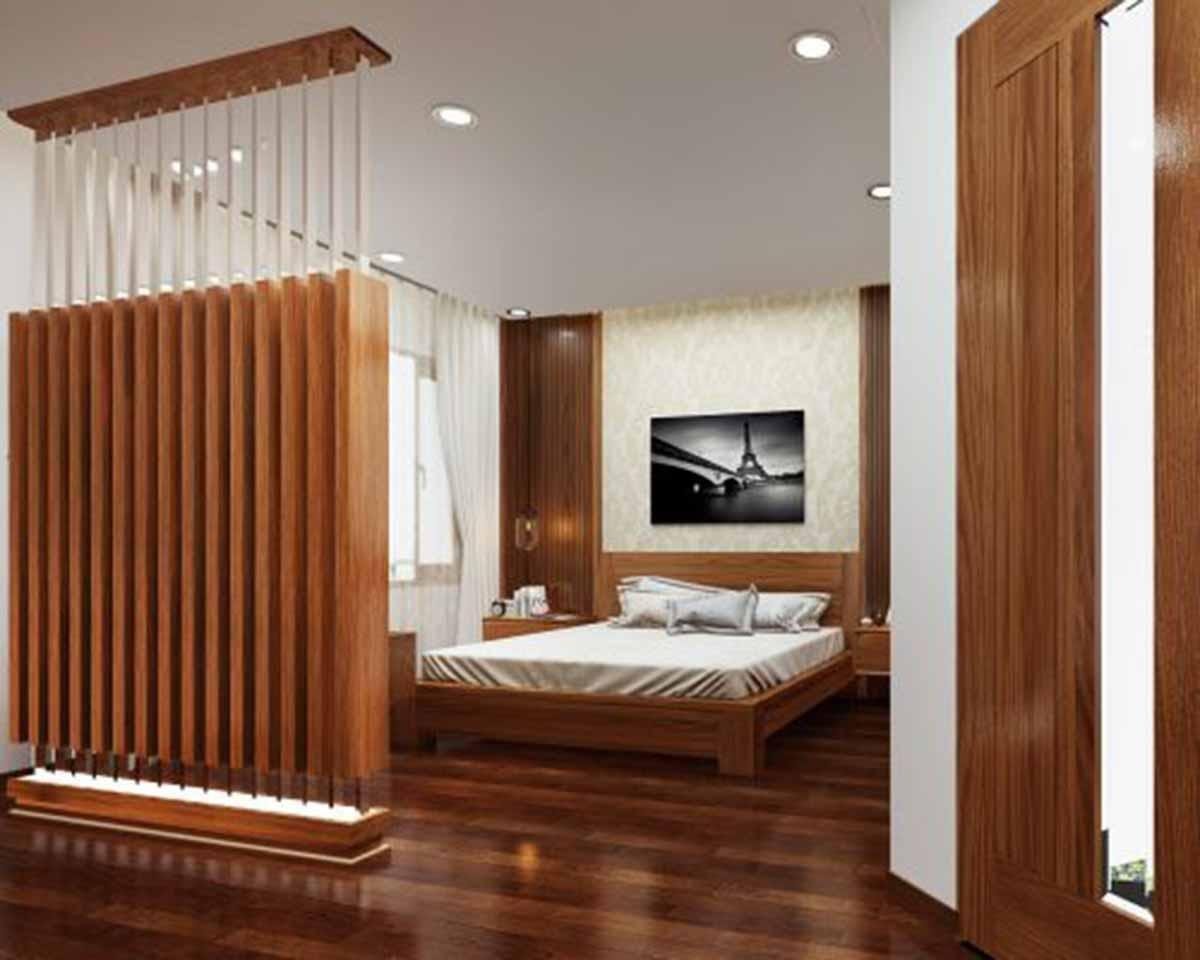
Modern and distinctive wooden sound-insulating bedroom partition design (Source: Internet)
Modern Movable Sound-Insulating Partitions
Movable sound-insulating partitions are an ideal solution for homes with limited floor area where homeowners want to create multiple functional spaces while maintaining personal privacy. These partitions also help save space and bring a more dynamic and contemporary feel to the home.
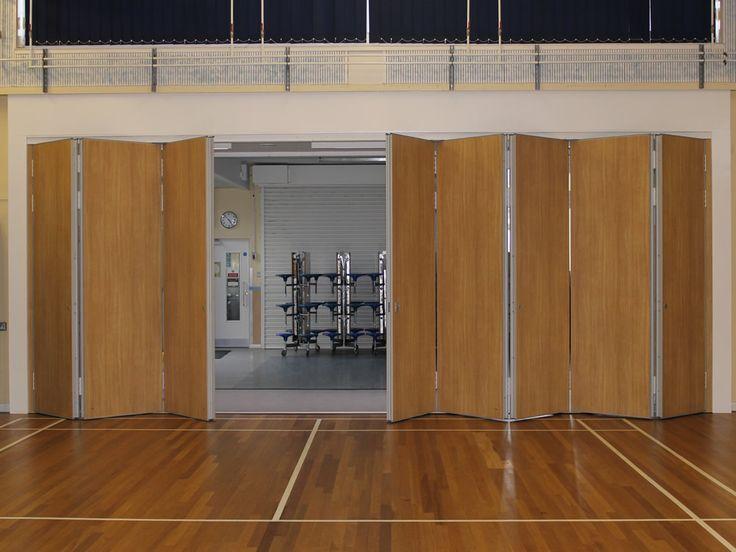
Popular modern movable sound-insulating partition design (Source: Internet)
Neoclassical Noise-Reducing Sound-Insulating Partitions
Neoclassical sound-insulating partitions commonly feature white, black, cream, and similar color palettes combined with traditional motifs and patterns, giving the home a distinctive yet elegant appearance. This design is generally suitable for Japanese-style houses or luxurious neoclassical villa designs.
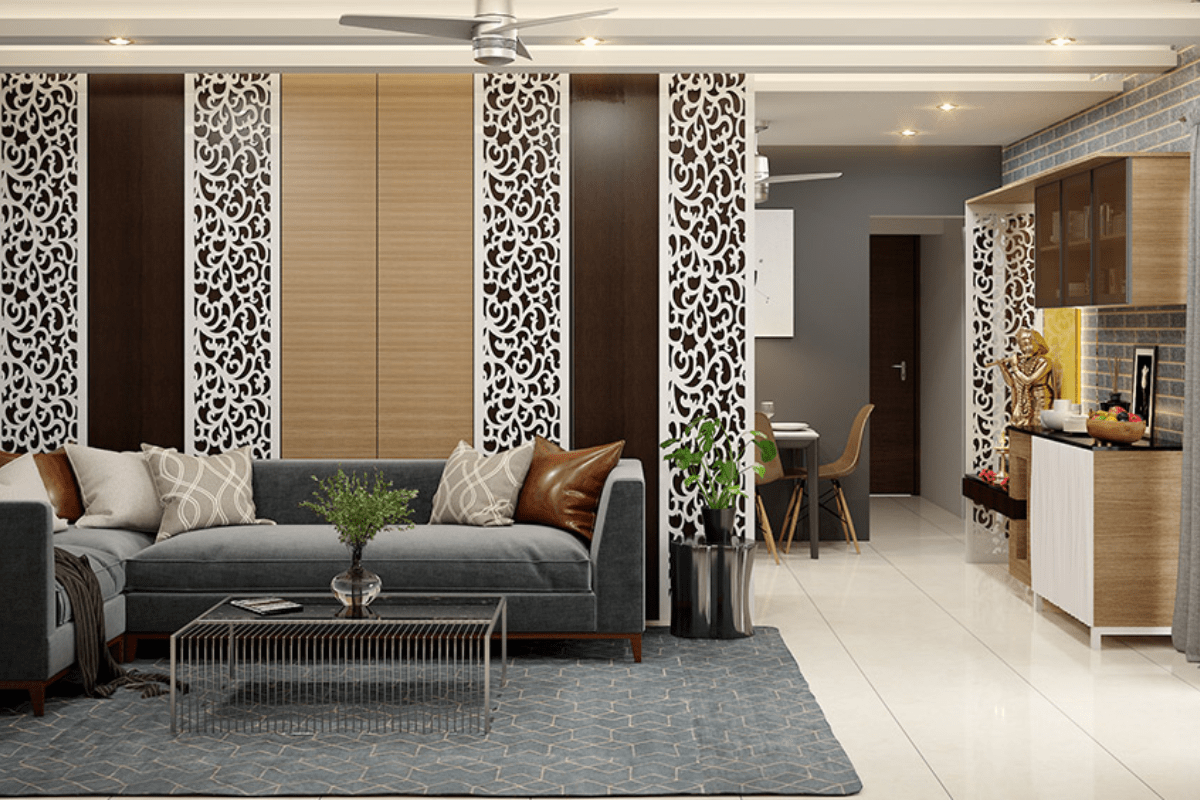
Neoclassical noise-reducing sound-insulating partition design (Source: Internet)
Considerations When Choosing a Suitable Sound-Insulating Partition
Not every partition product is suitable for every usage requirement or condition. Therefore, before choosing a sound-insulating partition, you should consider the following:
- If the primary purpose is sound insulation, materials such as gypsum boards, cement boards, and EPS panels should be prioritized.
- If the house has limited floor area, homeowners should carefully consider whether to use fixed or movable partitions. Choosing a suitable partition design can create more usable living space for the family. Conversely, an unsuitable choice may make the space feel even more cramped.
- Construction material costs should be carefully considered before selecting a sound-insulating partition. Homeowners should calculate the installation area and consider their household budget and local conditions to select an appropriate material and avoid excessive costs that could affect project completion.
Installation Cost of Gypsum Sound-Insulating Partition Systems
The installation costs of Vinh Tuong GypWall DW1 and GypWall DW4 gypsum sound-insulating partition systems vary by location because they depend on the type of building, installation area, installer costs, transportation costs, and other factors. Therefore, to receive the most accurate gypsum installation quotation for your project, please select the Get a Quote Now button below for consultation and a detailed quotation.
Installation Guide for Sound-Insulating Partition Systems
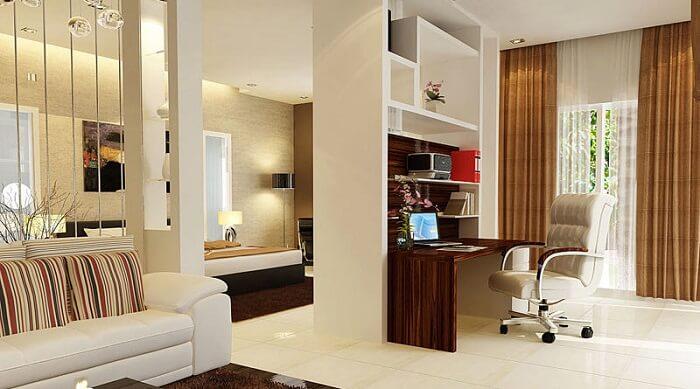
Impressive beige gypsum sound-insulating room partition (Source: Internet)
To ensure that the sound-insulating partition system is installed in accordance with technical requirements, please follow the instructions below:
Step 1: Determine the Position and Install the VT V-WALL “U” Tracks
- Use a laser level to determine the position of the sound-insulating partition on the ceiling and floor, then mark the positions with a pencil.
- Use a screw gun and screws to install the VT V-WALL tracks at the marked positions.
Note: When installing the tracks, the first fixing point must be positioned 50 mm from the end of each track. For subsequent fixing points, the standard spacing is 600 mm. For U tracks wider than 92 mm, the spacing between two consecutive fixing points must be 300 mm, with the fixings arranged in two staggered zigzag lines.
Step 2: Measure and Install the VT V-WALL “C” Vertical Studs
- Use a tape measure to measure the vertical studs. Mark a position every 610 mm with a pencil. Then measure the wall height at the locations where the vertical stud positions have been marked.
- Use metal snips to cut the vertical studs. Each stud must be cut 10 mm shorter than the measured height, and cuts should not be made beyond the service holes.
- Place the first VT V-Sound 90 stud at the predetermined position, then secure it to the adjoining wall at the standard spacing of 600 mm.
- Install the VT V-Wall C vertical studs at the previously marked positions on the VT V-Wall U tracks.
- Check the vertical alignment of each stud with a spirit level before permanently securing it to the tracks.
- Use frame-locking pliers or flat-head self-drilling screws to connect the vertical studs to the tracks.
- Apply Hilti silicone sealant to all adjoining locations of the framing members.
Note: Arrange the vertical studs so that all service holes face the same direction and are aligned with one another.
Step 3: Install Gypsum Boards on the Front Side of the Partition
- Attach the gypsum boards to the framing structure. During installation, ensure that the length of each gypsum board runs in the same direction as the vertical studs.
- Use gypsum screws to secure the Vinh Tuong-Gyproc Gypsum Boards to the framing system, ensuring that the screws penetrate the steel frame by at least 10 mm and that the spacing between fixing points is 300 mm.
- Insert a Flat Strap between the framing system and gypsum boards at the horizontal board joints, then continue installing the gypsum boards above.
- Complete the lighting system or electrical wiring before installing the glass wool and gypsum boards on the rear side.
Step 4: Install Glass Wool
- Install an additional layer of glass wool behind the front-side gypsum boards to enhance sound-insulating performance.
- Use a screw gun to secure the glass wool to the framing system at the top near the ceiling.
Step 5: Install Gypsum Boards on the Rear Side and Prepare for Joint Treatment
Arrange the gypsum boards on the rear side so that the vertical joints on the two sides are staggered.
Step 6: Joint Treatment
Treat the joints with Gyp-Filler jointing compound or paper tape to improve the finished appearance of the sound-insulating wall.
See the gypsum partition installation video for further guidance:
The above provides an overview of gypsum sound-insulating partitions together with specific and detailed installation instructions. For further information and detailed quotations, please click:
If you require installation of gypsum ceilings, gypsum partitions, or ceiling boards, please contact Vinh Tuong via:
- Head Office: 8th Floor, SOFIC Tower, 10 Mai Chi Tho Street, Ho Chi Minh City, Vietnam.
- Hotline: 1800-1218
- Customer Service Email: chamsockhachhang@vinhtuong.com