

Vĩnh Tường đăng vào lúc 27/07/2026 - 21:48
15 Simple, Effective, and Cost-Efficient Ways to Reduce Heat from Metal Roofs
15 Simple, Effective, and Cost-Efficient Ways to Reduce Heat from Metal Roofs


During the hot summer months, the surface temperature of a metal roof can reach 45 - 60°C, making indoor spaces uncomfortably hot and increasing the risk of heat stress for household members. Applying effective heat insulation solutions for metal roofs is essential to maintaining a cooler, more comfortable indoor environment. In this article, Vinh Tuong introduces the most effective ways to reduce heat transfer through metal roofs.
1. Apply Heat-Reflective Roof Coating
Heat-reflective roof coating is a specialized paint formulated to reflect UV rays and reduce solar heat absorption. When applied to a metal roof, it can lower the roof surface temperature by 5 - 10°C, while also extending the roof's lifespan thanks to its anti-corrosion and waterproofing properties.
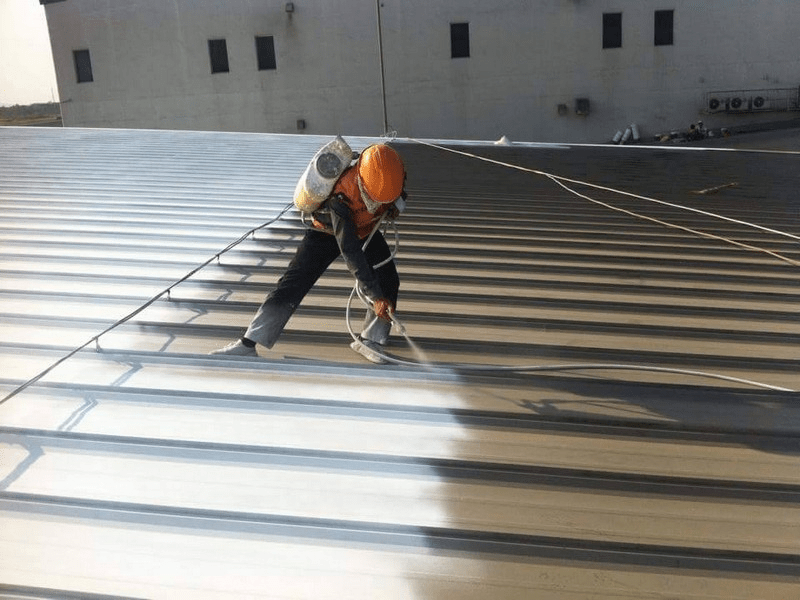
Weberdry Seal - an acrylic-based waterproof coating with heat-reflective and UV-resistant properties, suitable for roofs, rooftop slabs, and exterior walls (Source: Internet)
>> Read more:
- Effective Ways to Keep Exterior Walls Cool During Summer
- Top 7 Simple and Effective Solutions for Reducing Heat in Flat-Roof Houses
- Summer Heat Protection Solutions for West-Facing Homes
2. Install Shade Nets Above the Roof2. Install Shade Nets Above the Roof2. Install Shade Nets Above the Roof
Shade nets are installed above the roof or over areas exposed to intense sunlight to reduce direct solar radiation. Typically made from PE plastic, synthetic fibers, or fiberglass, these nets create shade and significantly lower the roof surface temperature. They are an affordable, easy-to-install solution for reducing heat.
However, shade nets also have several drawbacks. Their durability is relatively limited, making them susceptible to tearing, weathering, and fading over time, especially under harsh conditions such as heavy rain, strong winds, or prolonged sun exposure. In addition, they offer limited aesthetic appeal. If not installed correctly, they may sag or interfere with the roof's drainage system.
>> Related articles:
- Acoustic Materials - Genuine Acoustic Panels at Competitive Prices
- 15 Quick and Effective Ways to Prevent Indoor Condensation During Humid Weather
3. Grow Greenery or Climbing Plants on the Roof
With the growing popularity of sustainable building design, rooftop gardening has become an effective way to reduce solar radiation and create a cooler living environment. Suitable climbing plants include bougainvillea and Rangoon creeper, while cascading plants such as Mexican daisy or light-green leafy vegetables can also provide natural shading.
When installing trellises for climbing plants, they should be positioned approximately 20 cm above the metal roof to prevent direct contact between leaves, branches, and the roof surface, which may cause the plants to dry out.
One disadvantage of this solution is the ongoing maintenance required, particularly during the initial growth period. In addition, roofs with steep slopes make rooftop gardening difficult, and poor roof design can further complicate plant maintenance.
>> Read more:
- Top 4 Fire-Resistant Thermal Insulation Boards with the Best Value in 2025
- What Is a Fire-Rated Gypsum Partition? Vinh Tuong Fire-Rated Gypsum Partition Price Guide
- Why Should You Install Soundproof Walls for Your Home? | Vinh Tuong
4. Use Garden Trees to Shade the Roof
Instead of planting directly on the roof, you can take advantage of shade from trees planted around your home. Species with broad canopies and fast growth rates, such as tropical almond, flamboyant, camphor, Barringtonia, or mahogany, are excellent choices.
Properly positioned shade trees not only reduce roof temperatures by blocking direct sunlight but also create a cooler, fresher outdoor and indoor environment. The main limitation of this method is the space required for planting. Careful planning is necessary to ensure the trees have sufficient room to grow without affecting surrounding structures.
>> Related articles:
- What Is an Acoustic Partition? Applications, Structure, and 2025 Price Guide
- Build Code-Compliant Fire-Rated Gypsum Walls for Residential Buildings | Vinh Tuong
- Effective Fire Protection Solutions for Residential Buildings | Vinh Tuong
5. Install Thermal Insulation Sheets, Insulation Foam, or Metal Roof Insulation Boards
Vinh Tuong P2 Bubble Foil Insulation
The Vinh Tuong P2 Bubble Foil Insulation offers comprehensive performance with outstanding advantages: Cooler - More Durable - Waterproof. It is widely used in various construction applications and can be combined with metal roofs, tiled roofs, conventional walls, and gypsum ceilings.
Advantages of Vinh Tuong P2 Bubble Foil Insulation
- Excellent thermal insulation performance, outperforming many similar products on the market. Thanks to its dual MPET aluminum layers combined with high-quality PE air bubbles, Vinh Tuong P2 provides an effective solution for reducing heat transfer through metal roofs.
- High durability, with excellent puncture and tear resistance, ensuring easier installation and extending the service life of the building.
- Smooth, glossy surface with excellent wrinkle resistance and UV resistance.
- Waterproof construction, thanks to aluminum foil laminated on both sides, providing effective moisture and water resistance.
- Lightweight, making transportation and installation faster while reducing labor and additional project costs.
- Safe and environmentally friendly, containing no hazardous substances, especially asbestos that may pose health risks.
Applications of Vinh Tuong P2 Bubble Foil Insulation
Vinh Tuong P2 Bubble Foil Insulation is widely used in both industrial and residential construction for applications such as:
- Insulating metal roofs against heat.
- Thermal insulation for partition walls and conventional walls.
- Heat protection for automobiles and thermal protection for electronic equipment and components during transportation.
- Improving the thermal insulation performance of ceilings.
- Other applications such as food preservation and automotive heat insulation.
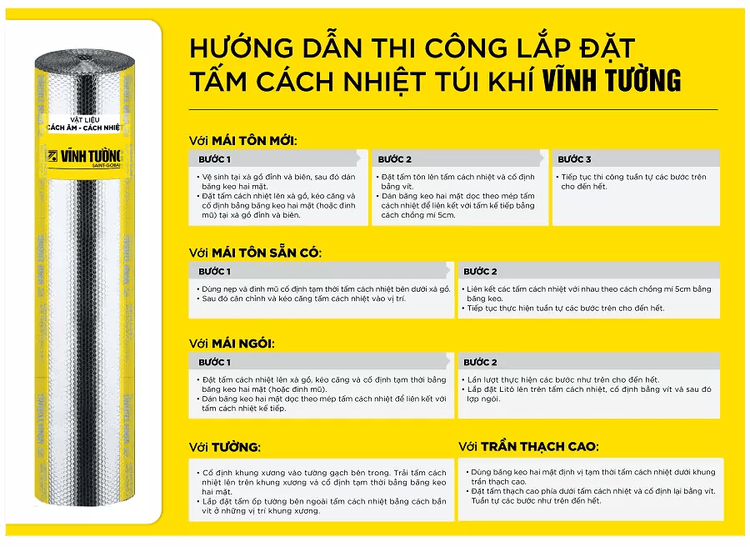
Installation Guide for Vinh Tuong P2 Bubble Foil Insulation
6. Use Glass Wool Insulation
ISOVER glass wool insulation is an effective and environmentally friendly solution for insulating metal roofs against heat. Widely used in a variety of construction projects, it offers outstanding thermal insulation, sound insulation, fire resistance, and health safety. In addition, ISOVER glass wool is lightweight and easy to install.
Applications of ISOVER Glass Wool:
- Wall insulation: Installed inside or outside walls to reduce heat transfer.
- Ceiling insulation: Installed above the ceiling to minimize heat gain through the roof.
- Floor insulation: Suitable for insulating concrete floors and timber floors.
- HVAC duct insulation: Prevents heat loss or heat gain through air ducts.
- Sound insulation: Reduces noise in karaoke rooms, recording studios, meeting rooms, and other noise-sensitive spaces.
7. Install an Additional Metal Roofing Layer
An additional metal roofing sheet is installed above the main roof, creating a ventilated air gap that helps reduce direct heat transfer from solar radiation. This method effectively lowers roof temperature, especially for buildings where specialized insulation systems cannot be installed.
>> Related Articles:
- 6+ Bedroom Soundproofing Materials That Reduce Noise by Up to 99%
8. Use Insulated Metal Roofing
Insulated metal roofing consists of a three-layer structure: a pre-painted steel sheet, a PU insulation core, and an aluminum foil backing. This integrated solution effectively reduces both heat transfer and rain noise.
9. Install a Thermal Insulated Gypsum Ceiling
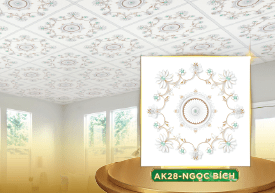
A gypsum ceiling not only enhances the aesthetics of a living space with its modern and elegant appearance but is also one of the most effective solutions for reducing heat transfer through the roof. When combined with insulation materials such as glass wool or PU foam installed above the ceiling, the system significantly limits heat transmission from the roof, keeping indoor spaces cooler. In addition, gypsum ceilings provide excellent sound insulation and moisture resistance, making them well suited to Vietnam's hot and humid climate.
One of the most outstanding thermal insulated ceiling solutions available today is the Vinh Tuong DECO® Ánh Kim Decorative Ceiling Panel. This premium product is manufactured using the highly durable DURAflex 2X fiber cement board, offering exceptional strength and long-lasting performance.
With a heat-reflective aluminum foil backing, this ceiling panel can reduce indoor temperatures by up to 5°C, creating a cooler and more comfortable living environment in hot and humid conditions. It also delivers a range of outstanding benefits:
- No warping, keeping the ceiling surface flat while enhancing durability and aesthetics.
- Excellent water and moisture resistance, making it ideal for Vietnam's tropical climate.
- Easy installation, allowing corner cuts without edge chipping while maintaining smooth cut edges for a high-quality finish.
- Outstanding color durability, having passed a continuous 200-hour UV exposure test in accordance with ISO 105-A02, ensuring colors and decorative patterns remain vibrant for over 5 years.
- Safe for health, backed by the "5 NOs" commitment:
- No fading
- No brittleness or cracking
- Non-combustible
- No hazardous substances
- No powdering or surface chalking
10. Install a Roof Mist Cooling System
An automatic roof misting system cools the roof through evaporative cooling. As the fine water mist evaporates, it absorbs heat, significantly lowering both the roof surface temperature and the surrounding air temperature.
However, homeowners should carefully consider several drawbacks before choosing this solution. The initial investment is relatively high, including pumps, piping, misting nozzles, and automatic controllers. The system also consumes a considerable amount of water, especially during the dry season, which may increase water bills and make it unsuitable for water-scarce areas. In addition, without regular maintenance, the nozzles can become clogged by mineral deposits, algae, or dust. Frequent water spraying may also lead to water leakage if the roof waterproofing is inadequate and could reduce the lifespan of roofing materials over time.
11. Install Roof Ventilators or Industrial Exhaust Fans
Installing roof ventilators or industrial exhaust fans is one of the most cost-effective ways to reduce heat buildup in buildings. Roof ventilators operate without electricity, rotating automatically with the wind to extract accumulated hot air from beneath the roof. Industrial exhaust fans, on the other hand, are suitable for larger spaces, using electric power to circulate large volumes of air within a short period. Both solutions help lower the temperature beneath metal roofs, reduce heat accumulation, and improve overall ventilation throughout the building.
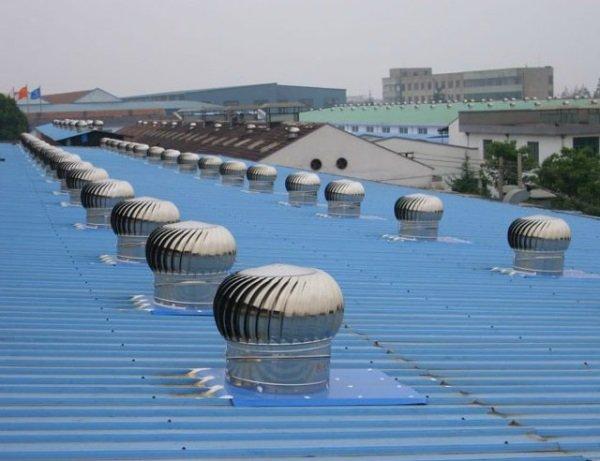
Roof ventilators are an effective solution for reducing heat buildup beneath metal roofs (Source: Internet)
12. Design an Efficient Window Ventilation System
A well-planned window layout plays a crucial role in natural ventilation and heat reduction. Windows should be positioned to capture prevailing winds, particularly on the south or southeast sides of the building, to maximize cool natural airflow during summer. Casement windows, awning windows, and louvered windows also provide better control over indoor ventilation. When combined with thermal curtains, reflective glazing, or solar control window films, this approach helps minimize solar heat gain while maintaining a comfortable indoor environment.
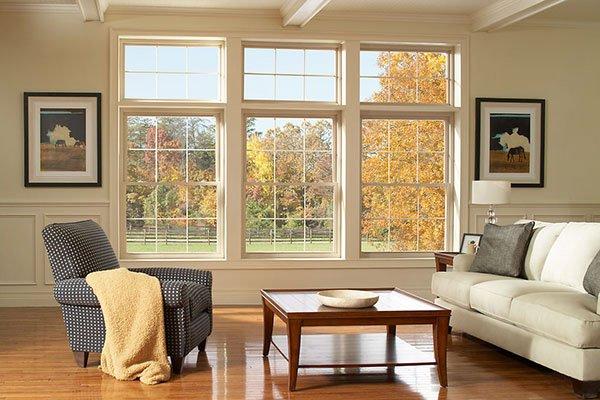
Windows positioned to capture natural airflow (Source: Internet)
13. Build a Skylight
A skylight is a modern architectural solution that provides both natural daylight and effective ventilation. Designed as an open shaft extending from the roof to the lower floors, a skylight promotes natural air circulation by allowing accumulated hot air to escape while drawing cooler air upward from below. When combined with indoor greenery or decorative water features, it also creates a natural cooling effect that helps reduce the overall indoor temperature. This solution is particularly suitable for houses with limited exposure to natural cross ventilation.
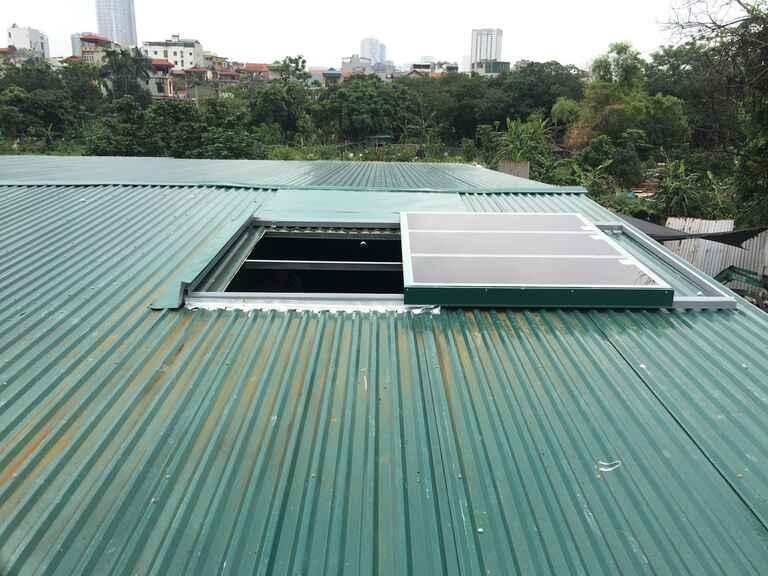
Skylights provide an effective solution for reducing heat beneath metal roofs (Source: Internet)
The solutions above are among the most effective methods for reducing heat transfer through metal roofs, together with easy-to-install insulation materials that are widely trusted by contractors and homeowners. If you need further advice on metal roof heat insulation solutions, roofing insulation materials, or reliable suppliers of insulation boards, please contact:
- Toll-free Technical Consultation Hotline: 1800 1218
- Customer Service Email: chamsockhachhang@vinhtuong.com